

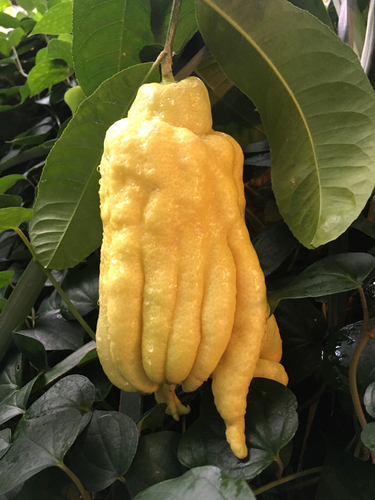
Buddha's Hand Citron
fruit
Conditions addressed
How to use
- Eat fresh, raw, or dried.
- Can be blended into smoothies, juiced, or added to salads and grain bowls.
Pregnancy, Breastfeeding & Children
No herb-specific pregnancy/child safety research is documented for Buddha's Hand Citron in our references — the guidance below is based on its general effect category, not research on Buddha's Hand Citron itself. Always confirm with a midwife, doctor, or pediatrician.
Pregnancy
Use CautionThis herb is processed through the liver, which is already working harder during pregnancy — generally used cautiously and not at high/concentrated doses without guidance. This is a general, mechanism-based caution, not herb-specific research.
Breastfeeding
Use CautionLiver-processed compounds can appear in breast milk — generally used cautiously and in moderation.
Children
Use CautionA child's liver is still developing its full drug/herb-processing capacity — these herbs are generally used cautiously and at reduced, age-appropriate doses.
Interactions & contraindications
May have a calming/sedative effect
Watch for: Benzodiazepines, sleep medications, other sedative herbs, and alcohol
Combined CNS-depressant effects can cause excessive drowsiness or impaired coordination.
Processed by the liver
Watch for: Any medication that is also processed by liver enzymes (ask your pharmacist — this includes many common prescriptions)
Can alter how quickly the body clears certain medications, raising or lowering their effective dose.
May affect immune activity
Watch for: Immunosuppressants (for transplant or autoimmune conditions)
Immune-stimulating herbs can work against immunosuppressive therapy.