

Cumin
spice
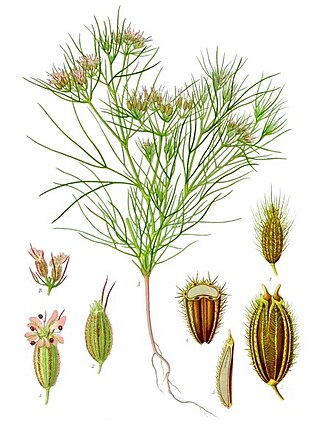
Cumin is a flowering plant in the family Apiaceae, native to the Irano-Turanian Region. Its seeds – each one contained within a fruit, which is dried – are used in the cuisines of many cultures in both whole and ground form. Although cumin is used in traditional medicine, there is no high-quality evidence that it is safe or effective as a therapeutic agent.
Conditions addressed
How to use
- Add to meals during cooking, brew as tea, or mix into warm water with honey.
- Use ¼–1 tsp per serving.
Pregnancy, Breastfeeding & Children
Pregnancy
Likely SafeWidely used as a culinary spice throughout pregnancy in many traditional cuisines; medicinal/concentrated extract use has less safety data and is used more cautiously.
Breastfeeding
Likely SafeCulinary use is considered compatible with breastfeeding; traditionally used in some cultures to support milk supply.
Children
Likely SafeCulinary amounts are fine for children.
As a member of the Apiaceae (carrot/celery) family, this herb is a known cross-reactivity group with birch pollen ("oral allergy syndrome") — use caution with a birch pollen or celery allergy.
Interactions & contraindications
May affect blood sugar
Watch for: Insulin and oral diabetes medications (metformin, sulfonylureas)
Additive blood-sugar-lowering effects can risk hypoglycemia — monitor glucose closely.
May affect immune activity
Watch for: Immunosuppressants (for transplant or autoimmune conditions)
Immune-stimulating herbs can work against immunosuppressive therapy.