

Durian (Musang King)
fruit
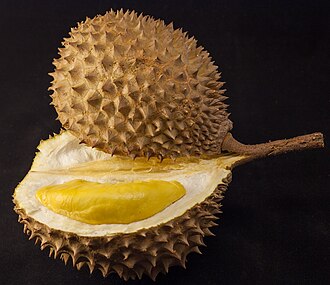
The durian is the edible fruit of several tree species belonging to the genus Durio. There are 30 recognised species, at least nine of which produce edible fruit. Durio zibethinus, native to Borneo, Sumatra, and the Malay Peninsula, is the only species available on the international market. It has over 300 named varieties in Thailand and over 200 in Malaysia as of 2021. Other species are sold in their local regions.
Conditions addressed
How to use
- Eat fresh, raw, or dried.
- Can be blended into smoothies, juiced, or added to salads and grain bowls.
Pregnancy, Breastfeeding & Children
No herb-specific pregnancy/child safety research is documented for Durian (Musang King) in our references — the guidance below is based on its general effect category, not research on Durian (Musang King) itself. Always confirm with a midwife, doctor, or pediatrician.
Pregnancy
AvoidThis herb is associated with stimulant activity, which can raise heart rate and blood pressure — generally best avoided or strictly limited in pregnancy. This is a general, mechanism-based caution, not herb-specific research.
Breastfeeding
Use CautionStimulant compounds pass into breast milk and can cause infant irritability or poor sleep — generally used cautiously and in moderation.
Children
AvoidStimulant effects on the developing cardiovascular and nervous system mean these herbs are generally avoided in children.
Interactions & contraindications
May have a stimulant effect
Watch for: Other caffeine-containing products, MAOIs, and stimulant medications (for ADHD or weight loss)
Additive stimulant effects can raise heart rate and blood pressure.
May affect blood sugar
Watch for: Insulin and oral diabetes medications (metformin, sulfonylureas)
Additive blood-sugar-lowering effects can risk hypoglycemia — monitor glucose closely.
May affect immune activity
Watch for: Immunosuppressants (for transplant or autoimmune conditions)
Immune-stimulating herbs can work against immunosuppressive therapy.