

Pitomba
fruit
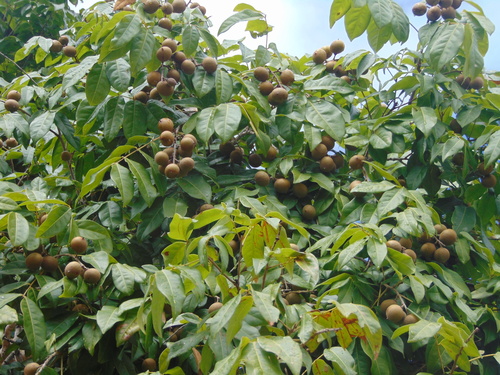
Pitomba may be either of two kinds of fruit tree native to South America:Eugenia luschnathiana, a flowering plant in the family Myrtaceae Talisia esculenta, a medium-sized tree native to the Amazon Basin
Conditions addressed
How to use
- Eat fresh, raw, or dried.
- Can be blended into smoothies, juiced, or added to salads and grain bowls.
Pregnancy, Breastfeeding & Children
No herb-specific pregnancy/child safety research is documented for Pitomba in our references — the guidance below is based on its general effect category, not research on Pitomba itself. Always confirm with a midwife, doctor, or pediatrician.
Pregnancy
Use CautionThis herb has immune-modulating activity. Short-term, food-level use is generally lower risk, but concentrated/long-term use is generally reserved for when needed rather than routine — this is a general, mechanism-based caution, not herb-specific research.
Breastfeeding
Likely SafeImmune-supportive herbs are generally considered lower-risk during breastfeeding at normal amounts; caution is reasonable with autoimmune conditions or immunosuppressant medications.
Children
Use CautionShort-term, age-appropriate use for colds/immune support is common practice; long-term daily use is generally avoided without pediatric guidance.
Interactions & contraindications
May affect immune activity
Watch for: Immunosuppressants (for transplant or autoimmune conditions)
Immune-stimulating herbs can work against immunosuppressive therapy.