

Wild Garlic
vegetable
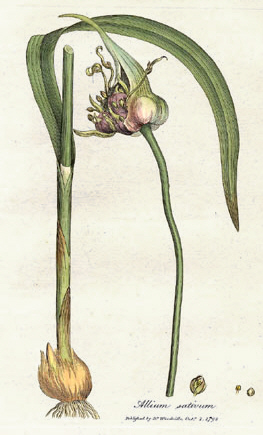
Garlic is a species of bulbous flowering plants in the genus Allium. Its close relatives include the onion, shallot, leek, chives, Welsh onion, and Chinese onion. Garlic is native to Central Asia, northeastern Iran and the foothills of Himalayas. It has naturalized in many other parts of the world, including Mediterranean Europe and China. There are two subspecies and hundreds of varieties of garlic.
Conditions addressed
How to use
- Eat steamed, roasted, stir-fried, or raw in salads.
- Lightly cooking increases digestibility.
Pregnancy, Breastfeeding & Children
No herb-specific pregnancy/child safety research is documented for Wild Garlic in our references — the guidance below is based on its general effect category, not research on Wild Garlic itself. Always confirm with a midwife, doctor, or pediatrician.
Pregnancy
Use CautionThis herb is processed through the liver, which is already working harder during pregnancy — generally used cautiously and not at high/concentrated doses without guidance. This is a general, mechanism-based caution, not herb-specific research.
Breastfeeding
Use CautionLiver-processed compounds can appear in breast milk — generally used cautiously and in moderation.
Children
Use CautionA child's liver is still developing its full drug/herb-processing capacity — these herbs are generally used cautiously and at reduced, age-appropriate doses.
Interactions & contraindications
May affect immune activity
Watch for: Immunosuppressants (for transplant or autoimmune conditions)
Immune-stimulating herbs can work against immunosuppressive therapy.
May affect blood pressure
Watch for: Antihypertensive medications (ACE inhibitors, beta-blockers, calcium channel blockers, diuretics)
Combined use can push blood pressure too high or too low — monitor readings if you take blood pressure medication.
May thin the blood
Watch for: Anticoagulants (warfarin), antiplatelets (aspirin, clopidogrel), and other blood-thinning herbs or supplements (ginkgo, garlic, fish oil, vitamin E)
Combining blood-thinning substances can increase bleeding risk, including before surgery or dental work.
Processed by the liver
Watch for: Any medication that is also processed by liver enzymes (ask your pharmacist — this includes many common prescriptions)
Can alter how quickly the body clears certain medications, raising or lowering their effective dose.
May have a diuretic effect
Watch for: Diuretic medications and lithium
Additive fluid loss can affect electrolyte balance and change how the body clears lithium.