

Yogurt
dairy
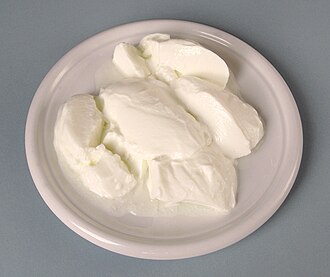
Yogurt is a food produced by bacterial fermentation of milk. The bacteria ferment the sugars in the milk and produce lactic acid, which acts on milk protein to give yogurt its texture and characteristic tart flavor. Yogurt is most commonly made from cow's milk, but milk from water buffalo, goats, ewes, mares, camels, and yaks can also be used.
Conditions addressed
How to use
- Consume fresh or fermented (yogurt, kefir).
- Fermented forms are easier to digest and richer in probiotics.
Pregnancy, Breastfeeding & Children
No herb-specific pregnancy/child safety research is documented for Yogurt in our references — the guidance below is based on its general effect category, not research on Yogurt itself. Always confirm with a midwife, doctor, or pediatrician.
Pregnancy
AvoidThis herb is associated with stimulant activity, which can raise heart rate and blood pressure — generally best avoided or strictly limited in pregnancy. This is a general, mechanism-based caution, not herb-specific research.
Breastfeeding
Use CautionStimulant compounds pass into breast milk and can cause infant irritability or poor sleep — generally used cautiously and in moderation.
Children
AvoidStimulant effects on the developing cardiovascular and nervous system mean these herbs are generally avoided in children.
Interactions & contraindications
May affect immune activity
Watch for: Immunosuppressants (for transplant or autoimmune conditions)
Immune-stimulating herbs can work against immunosuppressive therapy.
May have a stimulant effect
Watch for: Other caffeine-containing products, MAOIs, and stimulant medications (for ADHD or weight loss)
Additive stimulant effects can raise heart rate and blood pressure.